Curtains are a key element in the décor of any home. They help us control light and privacy, whilst also adding style and atmosphere. There are various types of curtains, each with its own characteristics and advantages.
Here are some of the most popular types:
Types of curtains
Traditional curtains
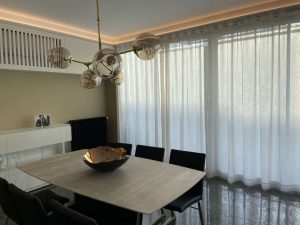
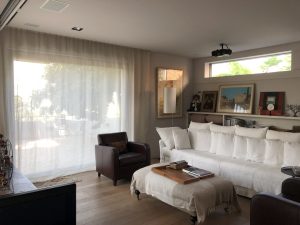
Traditional curtains are classic curtains usually made from fabrics such as cotton, linen or velvet. They hang from a curtain rod or rail and can be opened or closed easily, either manually or by motor.

Roller blind
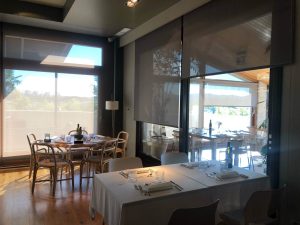
Roller blinds roll up from the top down. They can be made from various materials, such as blackout, sheer or screen fabrics (a technical material that allows a view from the inside but blocks heat and UV rays).

Slatted or Venetian blinds
Venetian blinds consist of horizontal slats that can be adjusted to control the amount of light entering the room. They are made from materials such as wood, aluminium or PVC.

In-frame curtains
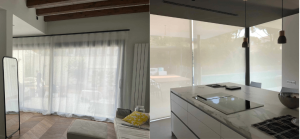
In-frame curtains take up less space than traditional ones with rods or rails. They are perfect for those looking for a discreet and practical option for their windows, maintaining a clean and functional aesthetic.

Types of curtains for dividing spaces
Japanese screen
This type of blind is inspired by traditional Japanese screens, made from lightweight materials such as paper or translucent fabrics. They are an excellent option for dividing spaces in a subtle and elegant way.
Vertical slat blinds
Vertical blinds are a modern option for dividing spaces. The slats can be adjusted to different angles, allowing you to control the amount of light entering each area.
String curtains
String curtains are ideal for creating a visual separation without completely blocking out light or air circulation. This type of curtain is lightweight and decorative.
How to choose the ideal curtain for your home
Each type of blind has its advantages, depending on your needs in terms of privacy, light control, style and functionality. You can also combine them with other accessories, such as roller blinds or panels, to maximise their functionality and style.
There are several key factors to consider that will help you make a decision that is not only aesthetic but also functional. Here is a guide to choosing the perfect curtain based on your needs and preferences:
Style of the room
The style of your home’s décor is a key factor when choosing curtains. Curtains should complement the room, without overwhelming it or detracting from the space.
Functionality
Curtains are not only decorative but also serve practical purposes, such as regulating light, enhancing privacy or providing thermal insulation. Therefore, you should consider what function you want the curtains to fulfil in each room.
Material, colour and pattern
The material of the curtain influences not only the style but also the functionality. Each material has its own characteristics. Furthermore, the colour of the curtains should complement the predominant colours of the room. Colours and patterns can completely transform the atmosphere.
Maintenance
Curtains may require different care depending on the material. Some can be machine-washed, whilst others need dry cleaning. Make sure you choose a material that suits your lifestyle and is easy to care for.
Installation
The type of curtain rod or hanging system you use is also an important factor.
Final tips
- If the space is small, opt for lightweight curtains and light colours so as not to overwhelm the room.
- To create a cosy and warm atmosphere, choose thick fabrics such as velvet or linen in warm tones.
- If the main aim is to block out light or improve privacy, blackout curtains or opaque blinds are the best option.
- Make sure the curtains are properly fitted and at the right height to prevent the window from looking out of proportion.
At Cortinsa, we understand that choosing the perfect curtain depends on a combination of style, functionality and personal preference. Taking these factors into account, we help you find the ideal curtains to complement your space and make it more comfortable, attractive and practical.